Why Modelling Agencies Still Have Height Requirements
If you have ever been rejected by a modelling agency because of your height, it can feel brutal.
Especially if you photograph well. Especially if people tell you that you have a strong look. Especially if you are already working, creating, shooting, and doing everything you think a model should be doing.
I have had this conversation with a lot of young models trying to get signed. Some are just starting out. Some already have experience. Some are genuinely incredible in front of the camera. And still, the same issue comes up again and again.
Height: If you are under 5’7, it’s 100x harder to get signed. If you’re under 5’5 it’s 10000x, if you’re under 5’, no agency will.
I’m not saying this because I want to tell you to give up. And yes, it can feel arbitrary, outdated, and unfair.
I’m saying all of this because lots of models then focus on trying to get signed and then give up, rather than taking the necessary steps to get booked and paid.
The frustrating answer is that it is not arbitrary. There are real reasons agencies still care about height. But that does not mean height decides whether you can model. It usually decides whether you fit neatly into the traditional agency system.
Those are two very different things.
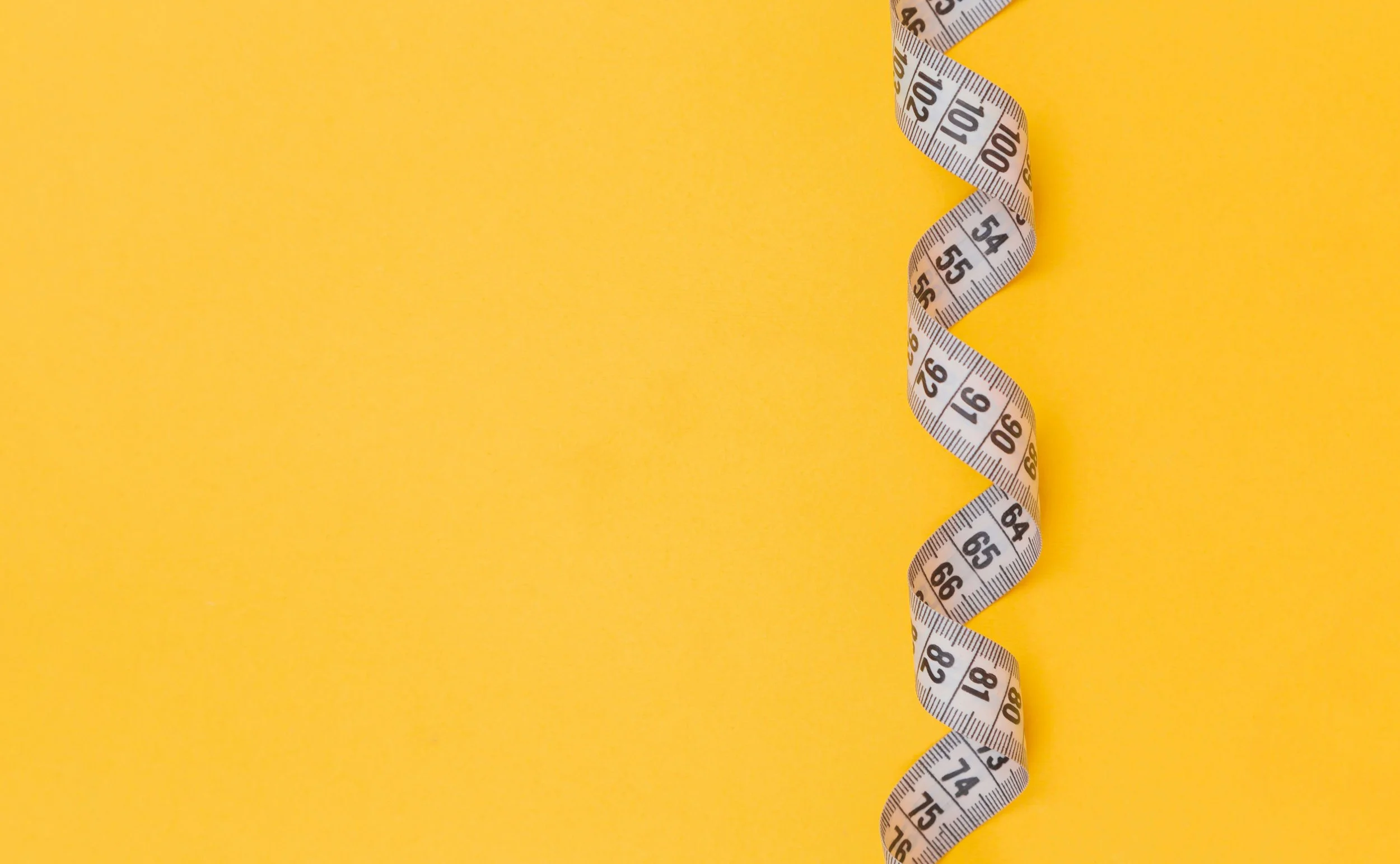
Photo by Diana Polekhina
Height is not the same thing as talent
Some of the most recognisable models and faces in fashion have not been tall; they don’t meet the height standards for castings.
Kate Moss is famously around 5’6. Devon Aoki is around 5’5. Anja Konstantinova is often listed around 5’4. Sofia Richie is around 5’6.
None of that stopped them from building careers.
But it is important to understand the difference between being the exception and building your path around being the exception.
When agencies list height requirements, they are not usually saying shorter models are not beautiful, talented, interesting, or capable. They are saying they are harder to place into the type of work the agency is expected to book consistently.
That is not always fair but it is the reality of how the industry works.
But why does height still matter?
It’s two fold firstly, height isn’t something we can create, for women in the US for example only about 2.5% are above 5’9 according to the CDC. Making it more desirable because it’s rare. We tend to covet height as a point of attractiveness but I don’t want to get into looksmaxxing right now, I’ll leave that for another day.
The second answer which the industry loves to give is is ‘standardisation,’ and I am going to focus on this point today!
Campaigns are hard to cast. Ecomm is repetitive. Sample sizing is limited. Brands want things to fit. Designers want the clothes to sit a certain way. Photographers and producers need to make group shots work. Clients want to be able to swap talent in and out without the whole visual structure of a campaign changing.
When everyone is in a similar height range, things become easier.
Body proportions are more consistent. Eyelines are similar. The clothing fits more predictably. The visual balance between models is easier to manage.
That might sound simple, but on a real shoot with a full crew, limited time, changing light, a client watching the monitor, and multiple models in frame, those small differences can become a real issue.
If one model is much shorter than everyone else, it can exaggerate proportion differences on camera. It can make both models look less balanced beside each other. It can change the power dynamic of the image. It can make styling harder. It can make group composition harder.
None of this means the shorter model is worse.
It means the shoot becomes harder to manage. And agencies are trying to make money for there agency and get consistent bookings from clients.
Australia is a very small market
This matters a lot.
In Australia, there is very little high-fashion runway work compared with overseas markets. Most of the work is split between ecomm, campaigns, beauty, social content, and commercial bookings.
That means agencies are pragmatic with there signings.
They are not just looking for someone whose just beautiful. They are looking for someone they believe clients will book again and again. Who will make money, who photographers will want to test with, that clients will covet, that can build successful long term careers lasting more than a few years.
If a model is outside the usual height or measurement range, the agency has to ask a hard business question: Can we actually get this person work?
That can be really frustrating when you know someone is great in front of the camera. I have worked with models who were exceptional, but height made it harder for them to find a place in the Australian agency system.
It does not mean they were not good enough.
It means the market was small, cautious, and difficult to break into.
And yes, agencies do bend the rules
They absolutely do. But before you spend time trying to get signed with the agency is your dream, ask yourself if they’re a good fit, or if you’re offered a contract… Make sure to question there legitimacy, there are a lot of agencies that will promise work.
If someone has an undeniable look, a strong social profile, a clear audience, or a book that proves they can work, agencies will make exceptions. But lots of these models who become the exception have done the work in other ways.
Sometimes they sign someone young and develop them, then their height does not land exactly where expected, but they still get booked. Sometimes someone builds so much momentum independently that agencies can no longer ignore them.
And this is the trick, I want every model who is seeking to be signed but struggling: Social media has changed this.
An agency can say no, but a client can still say yes.
That is one of the biggest shifts in modelling now. You do not have to wait for permission before you start building evidence.
If you are shorter, you need a strong book
Yes, a strong look is important but your book, aka your portfolio is integral to making it all work.
If you are under the traditional agency height requirements, your portfolio matters more, not less.
You need to show people what you can do.
Not in a generic way. Not just a few pretty test shoots. Not hobbyist photos that make you look like someone trying modelling for the first time: You need direction. You need range. You need to understand what kind of work you are suited to and build around that.
Beauty. Lifestyle. Swim. Commercial. Editorial. Social-first campaigns. Fitness. Hair. Jewellery. Skincare. Smaller brands. Direct bookings. Creative collaborations. There are a lot of ways to model that do not look like the traditional runway pathway.
I you are not agency height, you need to become excellent at self-managing. That means doing reach out to other creatives, it means creating with intention, being punctual, replying, turning up on time, befing easy to work with. If you aren’t, even if you do build a great book, it makes it difficult to sign someone if they don’t make it easy.
That means treating your Instagram like a living portfolio. Posting consistently. Showing your best work. Working with photographers who are booking paid jobs (not just shooting as a hobby) who understand you. Learning how to move. Learning what angles work. Learning what clients might book you for.
You are not trying to prove you are the same as every other model.
You are trying to prove you are useful, memorable, professional, and bookable.
If you are 5’4
You’re going to have to create the evidence you shoot well. And at the end of the day, you may never find a modelling agency but that’s not to say you can’t build a career and be managed.
That is very short for the traditional fashion agency world. You are going to have a harder time getting signed by a major agency, especially in Australia.
But if you love modelling, that does not mean you should stop. It means your strategy needs to be different.
Build a strong book. Find photographers who actually see you. Avoid people who are just collecting pretty faces for their own portfolio. Work with creatives who understand proportion, styling, mood, and direction.
You cannot wait around for an agency to validate you.
The great equaliser is social media
As I mentioned earlier, this one is key! If agencies have said no, social media can be the easiest gateway to building proof that they can’t ignore: an audience.
You may be too short, too curvy, or simply not right for the small number of clients an agency is servicing, but if people respond to your work, follow your growth, and want to see more from you, those measurements start to matter less. At that point, you have something agencies and clients both value: demand.
Even if other talent has a much larger following, you can still become the better booking if you are:
Easy to work with, reliable, and clear in your communication
Able to move naturally in front of the camera rather than relying on one angle or a preferred side
Comfortable taking direction and changing your approach when the brief requires it
Versatile enough to work across beauty, lifestyle, commercial, editorial, and social content
Focused on what the client needs, not just on creating images that flatter you
Consistent in your appearance, measurements, presentation, and availability
Professional on set, including being punctual, prepared, patient, and respectful of the wider team
Able to understand the mood of a campaign and contribute to it without needing constant guidance
Capable of delivering a range of expressions and poses, rather than repeating the same few images
Someone the photographer, producer, stylist, and client would be happy to book again
I have friends who have 150,000 followers and demand rates at $3000 and friends with 450,000 who for the same job would be paid $800, and it comes down to how they move, who they work with, and who there audience is. The value for each is different, and it comes down to many of the factors above.
A large audience might get you noticed, but being adaptable, professional, and genuinely useful on set is what turns attention into repeat work.
Height may help you fit into the system, but a strong book, a clear point of view, and an audience can help you build your own path around it.
You may still struggle if you are ‘tall enough’
You are much closer to the traditional agency range, but that still does not guarantee anything.
Australia is competitive and small. You can still be rejected for your look, your measurements, your market fit, your timing, or simply because the agency already has someone similar. If you are agency height, research properly.
Look at girls with a similar look who have signed. Map their careers. Look at their books. Look at the photographers they tested with. Look at the clients they are booking. Look at how they present themselves. And big hint, don’t look locally look at international markets, LA, NYC, London,
Then build your portfolio with intention. Do not just shoot randomly and hope something works.
The biggest mistake shorter models make
The biggest mistake is believing that if agencies say no, it means you are not good enough.
Sometimes it means you are not what they can sell easily. That is different. The second biggest mistake is building a weak portfolio and hoping your look will do all the work. If you are outside the traditional requirements, you need to be more strategic. You need better images, not more images. You need a clearer direction. You need to understand what lane you are building.
You also need to be careful who you shoot with. Hobbyist photos usually create hobbyist results.
If you want to be taken seriously, work with people who treat the work seriously.
Some great things to look for before agreeing to a shoot:
Have they worked with reputable agency signed talent
Have they worked with big clients
Have they got a distinct direction with there work
If they’ve reached out, have they presented a plan/moodboard/brief before the shoot?
Have you asked other models what they’re like to work with?
The biggest mistake photographers make
Photographers also need to understand height. A big following, a great look, height still plays a factor.
It is easy to say you want diverse casting, and that is a good thing. But you still need to know how to photograph people well. If you put models with very different heights and body types together without thinking about structure, styling, posing, and composition, you can make everyone look worse.
That is not the models’ fault. That is a direction problem.
Good casting is not just about inclusion. It is about making sure every person in the image is being considered properly.
And it’s the reason I’m a firm believer in doing a “gosee” and casting over FaceTime, or in person.
Height matters, but it is not everything
Height is still one of the biggest hurdles for models trying to get signed. I do not think that will disappear.
The industry likes standardisation. Clients like predictability. Agencies like reducing risk. And culturally, we still treat height as aspirational in ways that are not always fair.
But height does not decide whether you can model. It decides how easy it is for you to fit into one version of modelling. If you do not meet the traditional requirements, the path is harder. But it is not closed.
You may need to build your own audience. You may need to self-manage. You may need to make a stronger book before anyone takes you seriously. You may need to work with photographers, stylists, makeup artists, and creatives who can help you create work that makes sense for you.
That is not a bad thing.
Sometimes the models who do not fit the system are the ones who end up building something far more interesting outside of it.
Height may affect whether a major agency signs you.
It does not decide whether you can build a modelling career.
Related reading
If you are trying to build your portfolio, start here:
https://www.ofoliver.co/blog/find-photographers-portfolio-a-guide-for-models
If you are not getting booked and want to understand why:
https://www.ofoliver.co/blog/why-youre-not-getting-booked-in-2026-and-what-to-do-about-it
If you want to understand what modelling agencies are actually meant to be good at:
https://www.ofoliver.co/blog/what-are-modelling-agencies-meant-to-be-good-at