Why Creative Direction Matters So Much
Last weeks workshop was a doozy, most of the time, creative direction is a proponent you work with your clients on, instead, I wanted the challenge of not seeing what was going to happen beforehand. Partly because how you adapt to your client is a such an important part of the job, and on the other side, I wanted everyone who attended to see the importance of a vision being articulated. This shoot wasn’t my vision, it was a clients, I was really fortunate to have Creative Director Lawrence Parmenter who I’ve worked with on campaigns before write up a full brief, including the target audience, and why we were shooting the campaign intentions this way.
But it was more than just that, we had a panel discussion before, we kicked this off, we had Lawrence alongside Simeon Bartholomew whose a creative lead at Woolworths and, who I’d worked with before and we were also joined by Laura Watson from Gap Australia whose been across many campaigns as the brand straddles music and culture and celebrity on a global scale, and we had a larger conversation about how, knowing the lens we’ll apply to the work matters so much. Clients need emotion behind the work, the feeling matters, knowing how you’ll provide options, feedback, and articulate a clients vision is important, they want to see that you can execute, but they also need to know you’ll do it with your own flare. It’s not just about getting in the room, but how you collaborate, treat people, and grow.
For the practical component, I was in the deep end, I had to come up with some clever lighting tricks on the spot to get us relatively close to the goals Lawrence had laid out, but with only an hour, I definitely wasn’t as prepared as you would be for a major campaign, but that was the point. It wouldn’t have come together without our HMUA Katy Nicholls and talent Ashleigh Churn (Icon Management):
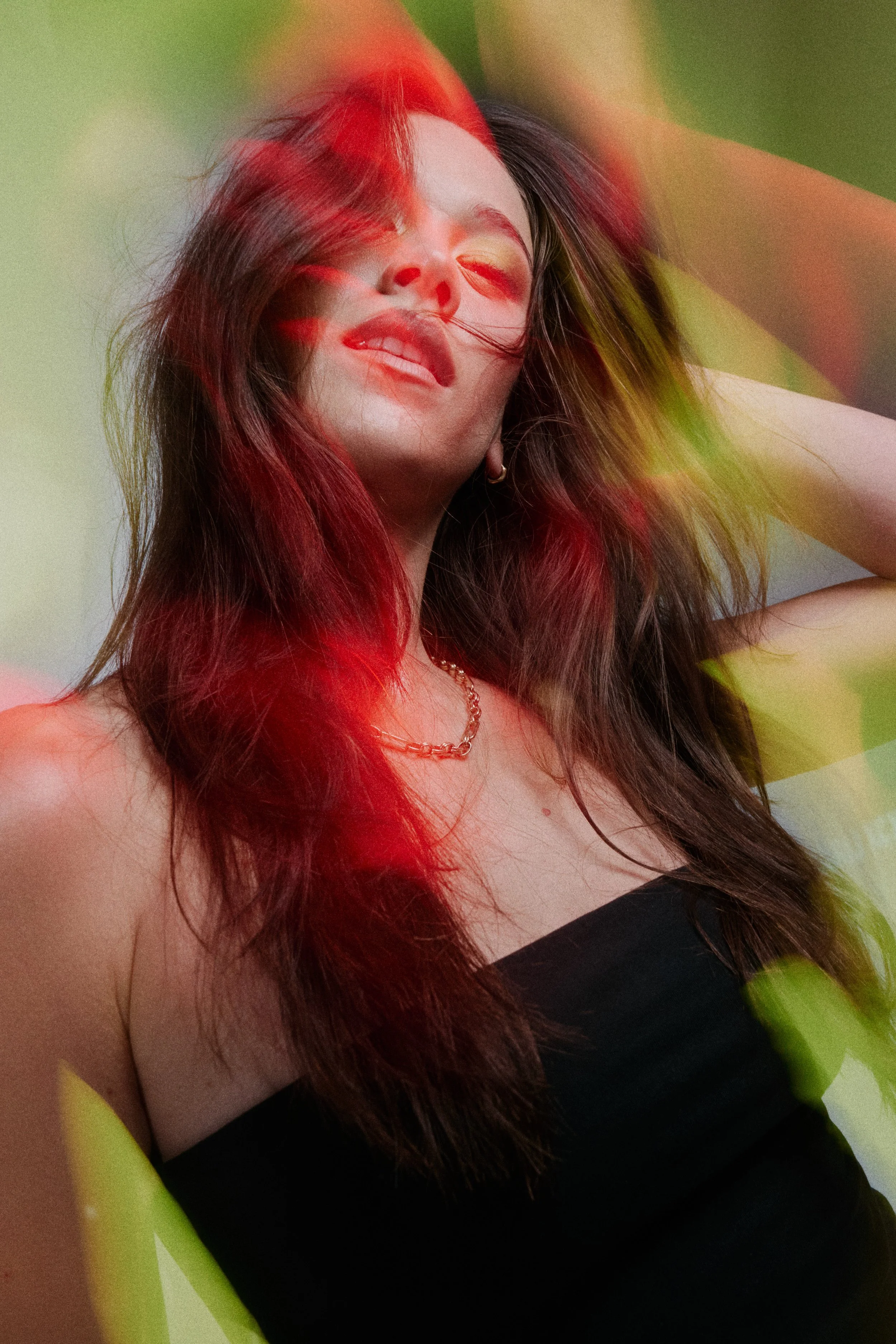
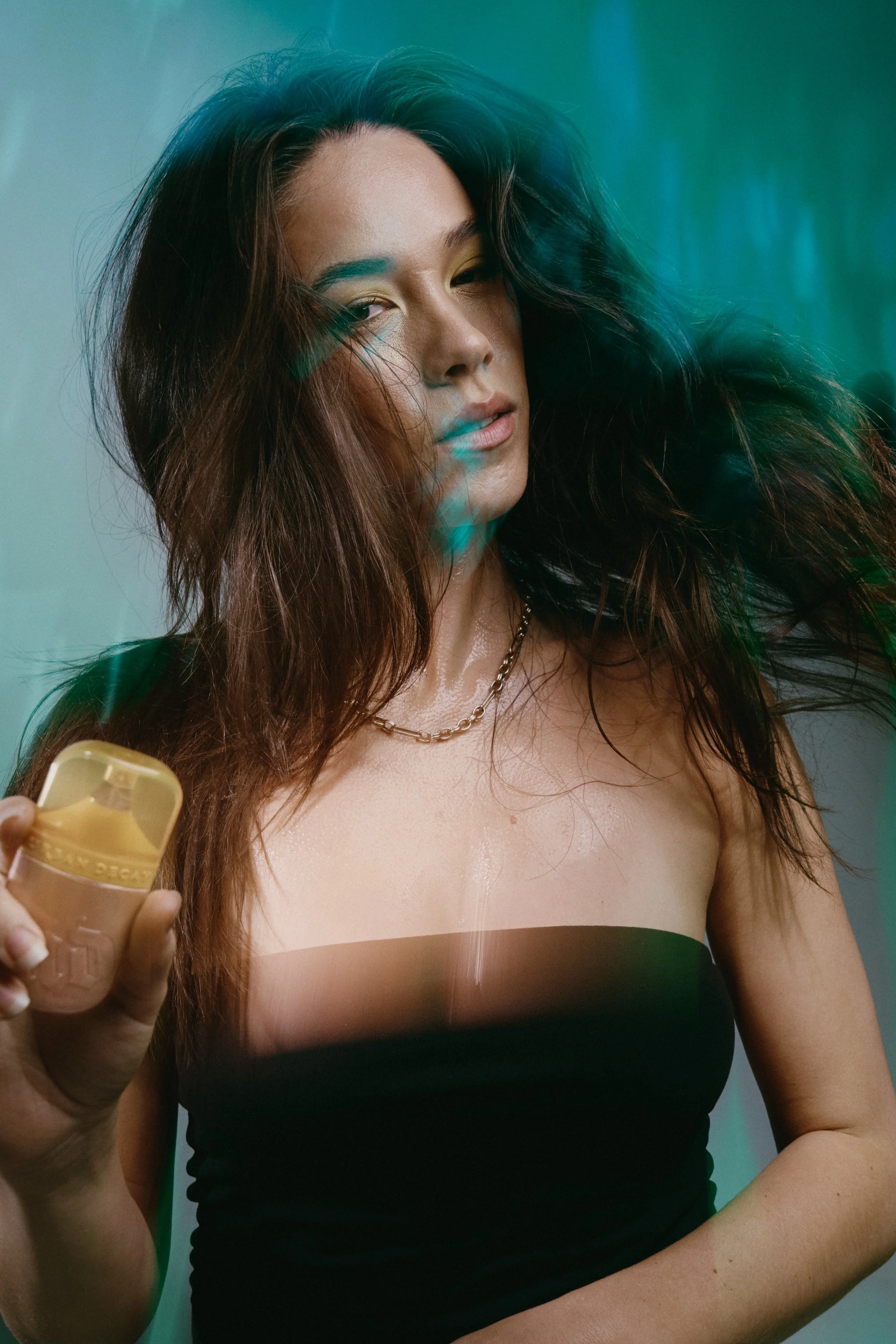
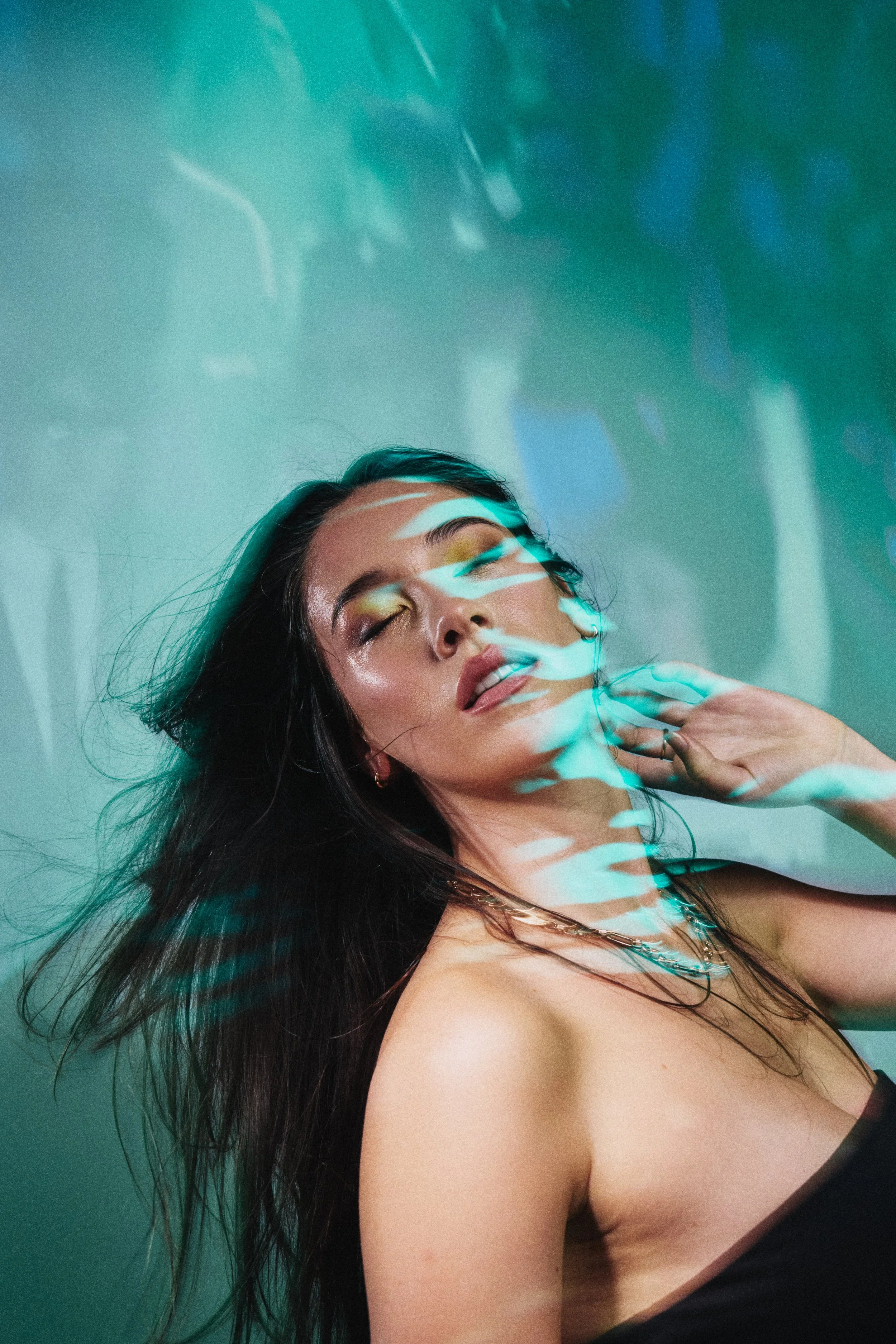
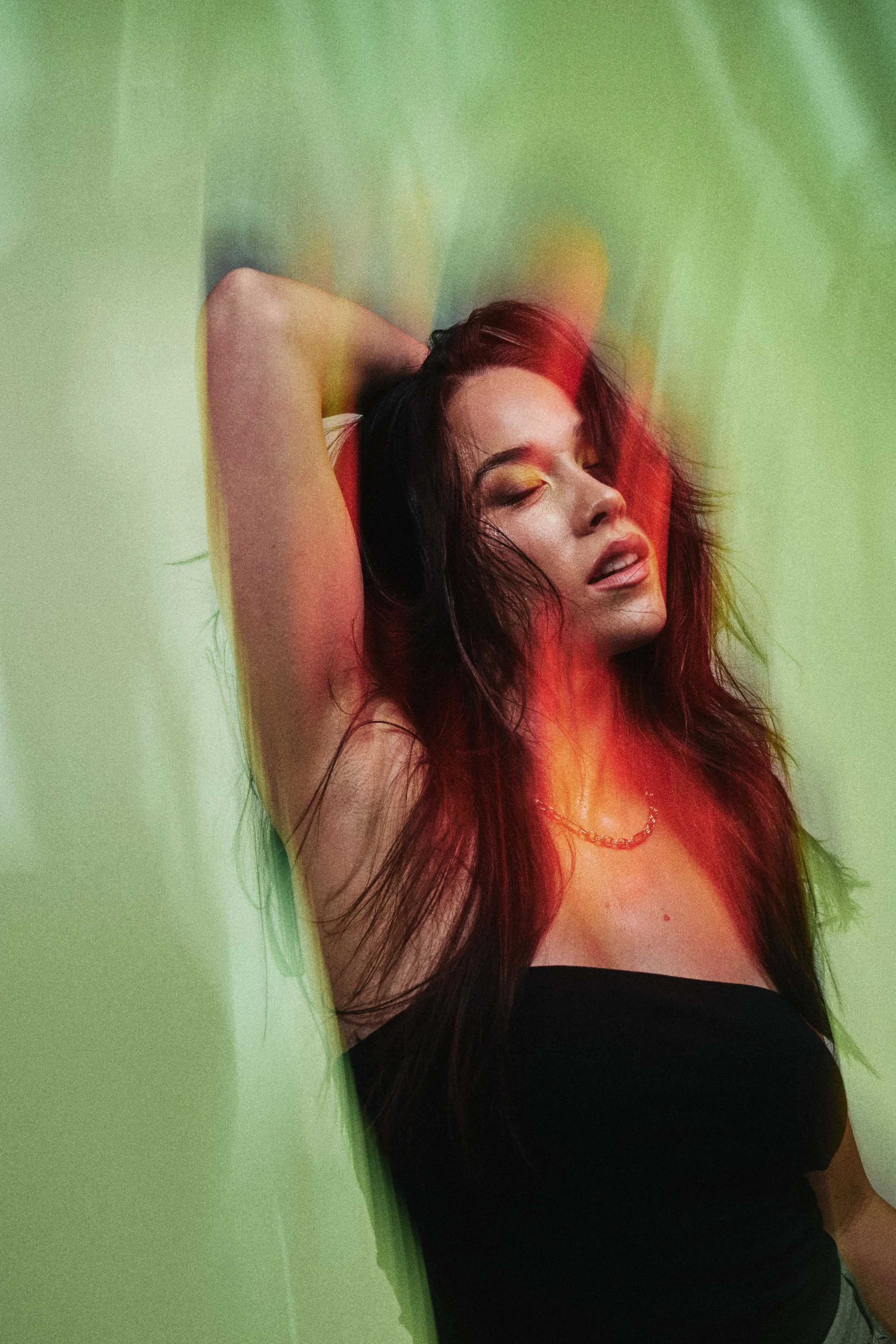
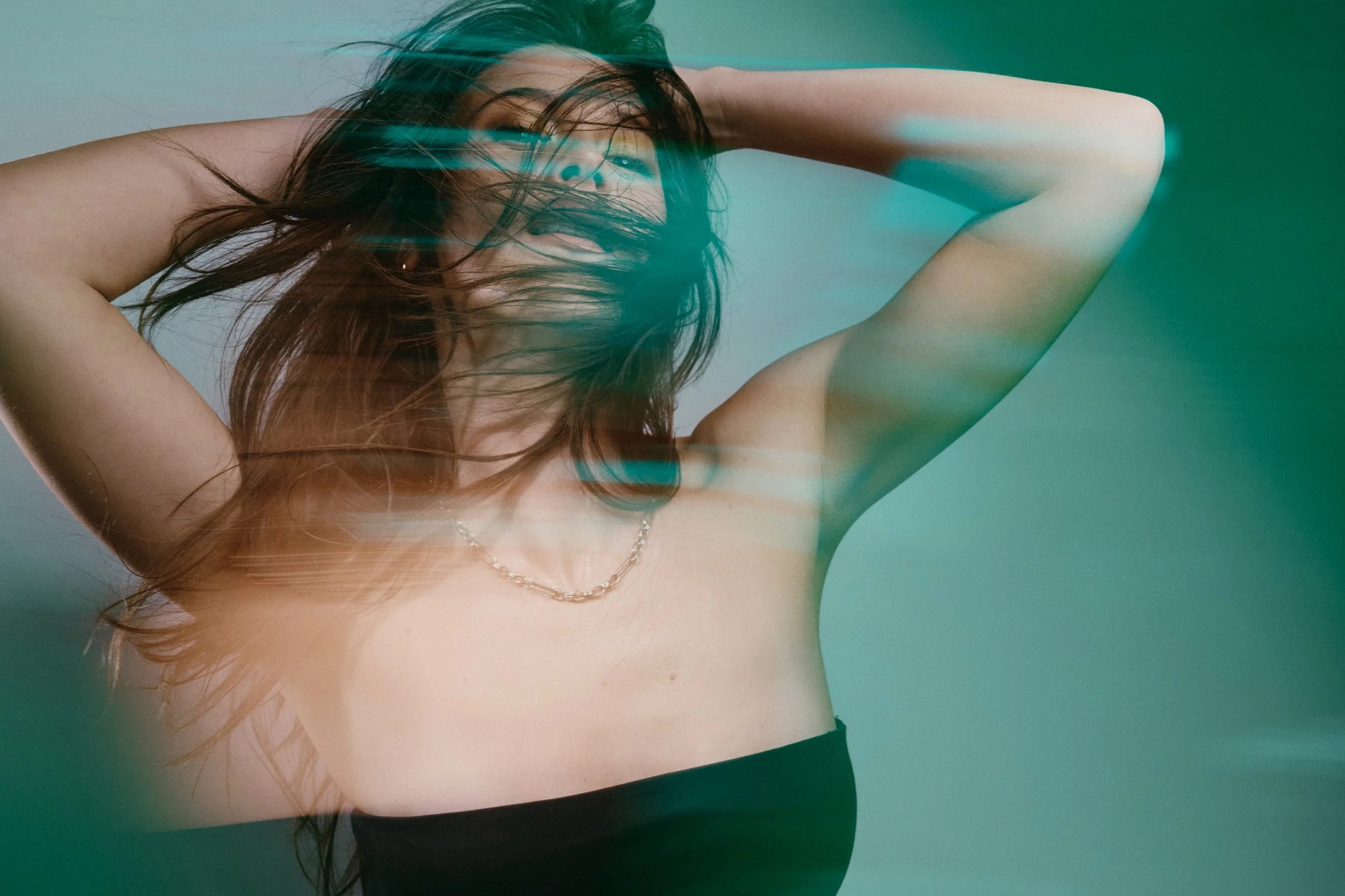
This was a solid reminder that preparation is important, but more importantly creative vision and the direction that meets it is what we need to focus on, especially as ideas are taken, adapted and run with by Artificial Intelligence. Whilst, the proliferation of AI is going to effect our work as photographers dramatically, one of the best points I heard recently gave me a small sign of relief. Strauss Zelnick, the CEO of Take-Two Interactive which is the parent company of Rockstar Games (aka. GTA), noted that artificial intelligence models are built on existing datasets that are inherently "backward-looking," whereas true creative hit-making is "forward-looking". We will always reference past but as people, we’re hopefully creating something new.
When people first get into photography, most of their attention goes towards the technical side of making an image. I mean fair enough, it is the technology that allows you to get a photo… So we start with:
What camera should I buy?
Which lens is best?
How do I light this?
How do I edit skin?
Those are all fair questions. The technical side matters. Photography is a craft, and you need to know how to use your tools. But after almost twenty years of making images, I don’t think technical ability is what separates good photographers from the ones you actually remember.
Creative direction does this.
When I talk about creative direction, I mean everything that shapes the feeling of an image before you even pick up the camera.
It’s the people you choose to photograph.
The conversations you have before the shoot.
The location.
The styling.
The wardrobe.
The references.
The moodboard.
The time of day.
The emotion you’re trying to capture.
It’s the reason you’re making the image in the first place. By the time you press the shutter, a lot of the decisions have already been made.
One of the first places I really understood this was photographing music and nightlife. From the outside, it looked like we were covering parties. In reality, we were there for the story, we were hunting for FOMO. Which came from the interesting people in the room. There were a few photographers like LastNightsParty, CobraSnake, and locally Hobogestapo who were articulating interesting points of view in environments I was obsessed with.
Most event photography back then was just groups of friends smiling at the camera. There’s nothing wrong with that, but it wasn’t what we were interested in.
It was about: personalities, outfits, artists, misfits, musicians, DJ’s, culture…. This was the stuff that glued it all together, this was the reason we went out, it’s what we connected with
Whenever we could, we’d pull someone aside for half a minute and give them their own portrait in the middle of everything. For a moment, they weren’t just another face in the crowd. They were the subject.
Those were usually the images people remembered.
As we kept shooting, our focus narrowed. We started looking for the communities and subcultures that made those spaces interesting. We weren’t just documenting events anymore. We were trying to document culture.
That work ended up in places we didn’t expect. Vogue ran an article on one of the subcultures we shot. And as we gained notoriety, the images led to projects with Spotify, Adidas, Sony, and a few others.
Looking back, I don’t think those opportunities came because I was the most technical photographer in the room. Many of the photographers around me were extraordinary. The difference was that we had a point of view. We knew what we were looking for before we even got there. We were ruthless about finding it. And when it wasn’t good enough, we’d dissect that.
I’ve reinvented my own work a few times since then.
I’ve photographed musicians, commercial campaigns, editorial stories, beauty and now spend a lot of my time teaching photographers.
Every chapter has looked different, but whenever the work got better, it was because the vision got clearer. Not because I bought a new camera. Clarity doesn’t appear overnight.
One of the biggest misconceptions in photography is that you’re supposed to know exactly what your style is from the start. Most of us don’t. We start by copying people we admire. We experiment. We make work that doesn’t quite feel like us. Figuring out what each lens does, which camera, what medium, whether it’s film or digital, APS-C or medium format, what lighting to use, constant, strobe, LED, HMI, daylight, softboxes, reflectors, muslin, cardboard, bounce, diffuse. Then, over time, patterns begin to emerge. You realise you’re drawn to certain colours, certain landscapes, certain personalities or certain ways of telling stories.
Those patterns are worth noticing. They’re usually telling you something about yourself. That’s one of the reasons I prefer the term image maker over photographer. Photography suggests the work begins when you pick up a camera. Image making starts much earlier.
It starts with research. Reading. Watching films. Visiting galleries. Collecting references. Having conversations. Getting to know the person you’re photographing. Building trust. Writing briefs. Working with stylists, hair and makeup artists, assistants, and clients.
By the time the camera comes out, most of the creative decisions have already been made.
Lawrence and I didn’t talk about settings, just about intention, and vibe. The most useful part of the exercise wasn’t talking about lighting diagrams or camera settings.
It was talking through the idea.
Who is this campaign for?
How should it feel?
Who are we speaking to?
What references inspire it?
What references don’t?
What should someone feel when they see the final image?
Those conversations shaped every decision that followed. As I shot, Lawrence gave feedback, he helped shape the direction, and articulate what it was “the client” was looking for. The photography became the execution of the direction. That’s why I think creative direction deserves more attention than it usually gets.
Technical skills are important, but they’re increasingly accessible.
If I need help with a complex lighting setup, I know brilliant lighting technicians I can call. If I need a specialist retoucher, there are people who have dedicated years to mastering that craft. If I run into a technical problem, there’s a good chance someone has already shared the answer in a book, a workshop or an online tutorial. I ask friends, colleagues, I’ll even DM strangers.
Great image making has never been a solo thing.
The best work comes from driven people bringing what they know together. What you can’t hand to someone else is your point of view. Nobody else can decide why this story matters to you. Nobody else can choose the people you feel drawn to photograph. Nobody else can define the atmosphere you’re trying to create or the feeling you want someone to leave with after seeing your work.
Those decisions are yours.
And I think that’s what clients are really investing in. They’re not looking for someone who can just operate a camera. They’re looking for someone with judgment. Someone with taste. Someone who can take an idea that isn’t there yet and give it shape.
That’s creative direction.
In my experience, that’s what turns photographers into image makers.
If this topic interests you! I’m hosting a panel at Lunar Studios on Thursday 30th July at 6:30 pm with Sony to talk more about this, check it out here.